Let’s start with one of the most common questions: What’s the difference between a junk journal and an art journal?
A junk journal is a handmade notebook crafted from materials that might otherwise be considered “junk”—scraps of paper, old book pages, envelopes, tickets, or fabric. It’s a creative way to repurpose materials and give them new life. But here’s the twist: you can use a junk journal as an art journal!
An art journal, on the other hand, doesn’t have to be made from scraps—it can be any notebook, sketchbook, or journal where you create freely with paint, collage, mixed media, or simple doodles.
But wait—there’s more! Junk journal, art journal, gluebook, smashbook, scrapbook… What do all these names mean? If you’ve ever felt lost in this jungle of terminology, you’re not alone. While you don’t need to know all these terms to enjoy journaling, they do pop up everywhere online. So, if you’re curious, let’s break them down!
Table of Contents
- JournalPlanner
- Bullet Journal
- Art Journal
- Junk Journal
- Sketchbook
- Visual Journal / Visual Diary
- Scrapbook
- Smashbook
- Gluebook
- Project Life
- Altered Book
- Traveler’s Notebook
- Travel Journal
- Recipe Journal
First, There Was the Journal
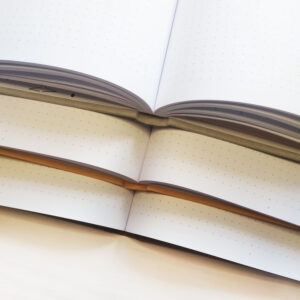
The word journal appears in many of these terms, but at its core, it simply means a notebook or diary where you record thoughts, memories, or creative ideas. It doesn’t have to be daily—journaling can be done on loose pages, in notebooks, or even using special journaling cards. The act of keeping a journal is called journaling.
Planners: For Those Who Love to Stay Organized
A planner (or agenda) is typically a calendar-based organizer with dedicated spaces for scheduling, tasks, and goals. Many planners come with pre-printed layouts, making them ready to use.
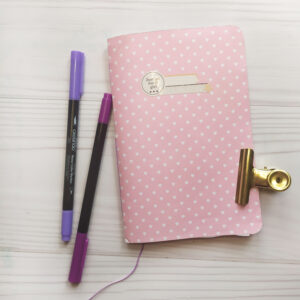
Here are two of the most well-known planners:
Happy Planner
A popular, customizable planner that comes in different formats to suit various needs. You can even take a quiz to find the best one for you!
Planer Pełen Czasu
A Polish planner designed by Pani Swojego Czasu, known for its high-quality paper. It features dot-grid pages, making it flexible enough to be used as a bullet journal.
Bullet Journal (BuJo): The Ultimate DIY Planner
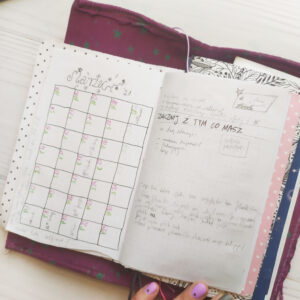
A Bullet Journal is a planner you create yourself, drawing the layouts, trackers, and lists that fit your needs. It’s perfect for those who like to experiment with different formats each week or month.
The BuJo method was invented by Ryder Carroll, designed to improve productivity. However, over time, Bullet Journaling has evolved into a creative and artistic practice.
A major influence in the Polish Bullet Journal community is Kasia Mıstaçoğlu from worqshop.pl, who later published a book on the subject.
BuJo enthusiasts have popularized creative layouts like:
✅ Movie trackers
✅ Reading logs
✅ Mood and habit trackers
At its core, all you need for a Bullet Journal is a notebook and a pen. However, the most popular choice for BuJo is a dot-grid notebook, as the subtle dots make it easy to draw straight lines and create structured layouts. But there are no rules—if you prefer lined, blank, or even graph paper, that works too!
If you love decorating and expressing creativity, you might also enjoy art journaling!
Creative Journals: Exploring the Many Ways to Express Yourself
Art Journal: A Place for Creative Expression
An art journal is a space where you can unleash your creativity freely.
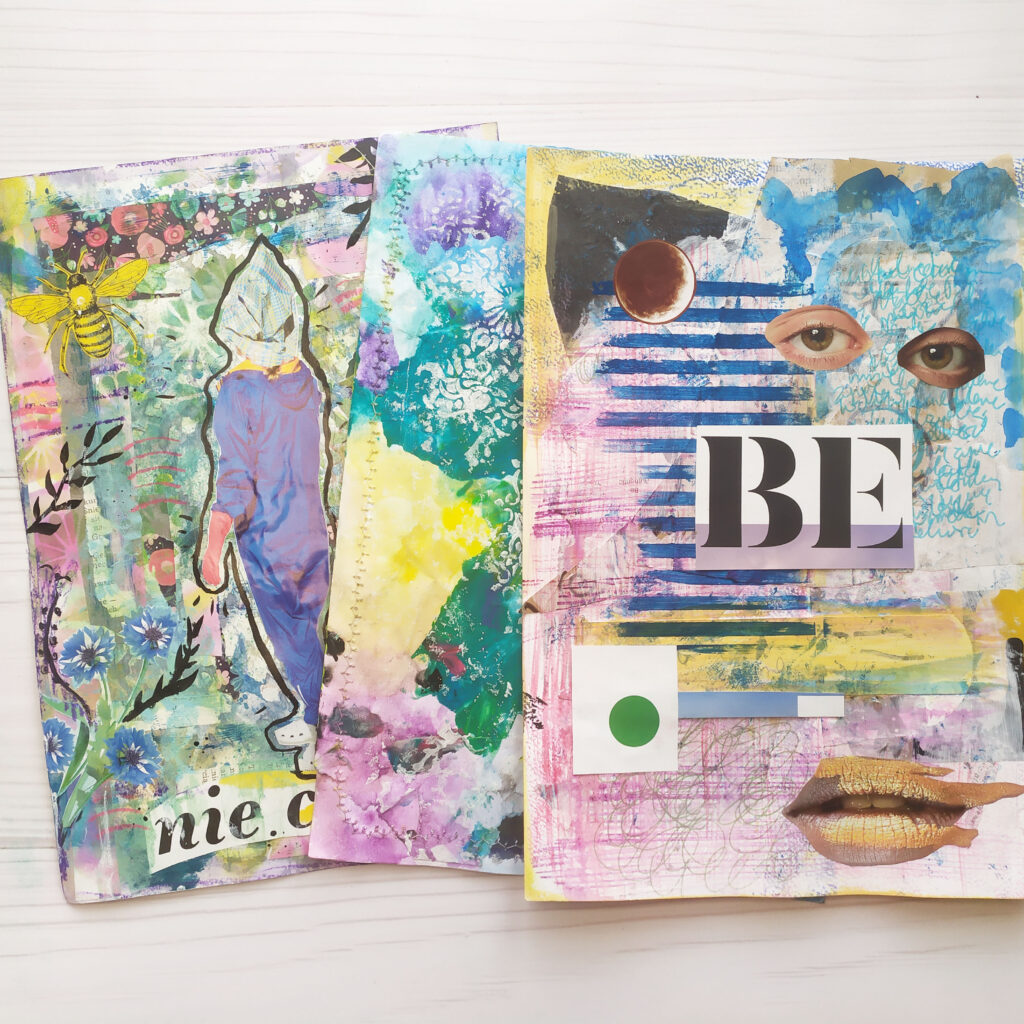
It fulfills a fundamental human need—the need to create. Unlike painting a full artwork on a canvas, an art journal allows you to experiment with ideas and tools without pressure. It’s a safe place to make mistakes and let go of the paralyzing need for perfection (or at least make it easier to ignore!).
You can use any art supplies you can think of—pens, markers, colored pencils, paints, or even mixed media techniques.
An art journal can be kept in a sketchbook, an old book, a notebook, a planner (such as the Planer Pełen Czasu), or even loose sheets of paper that you later bind into a journal. And, as mentioned before, you can also use an art journal inside a junk journal.
Junk Journal: A Notebook Made from “Junk”
By definition, a junk journal is a notebook made from scraps, discarded materials, or repurposed papers. But what counts as “junk” is open to interpretation—some creators stick to the concept strictly, while others take a more relaxed approach.
The process of creating a junk journal is already a creative endeavor on its own. However, once completed, it becomes a versatile journal that can serve various purposes.
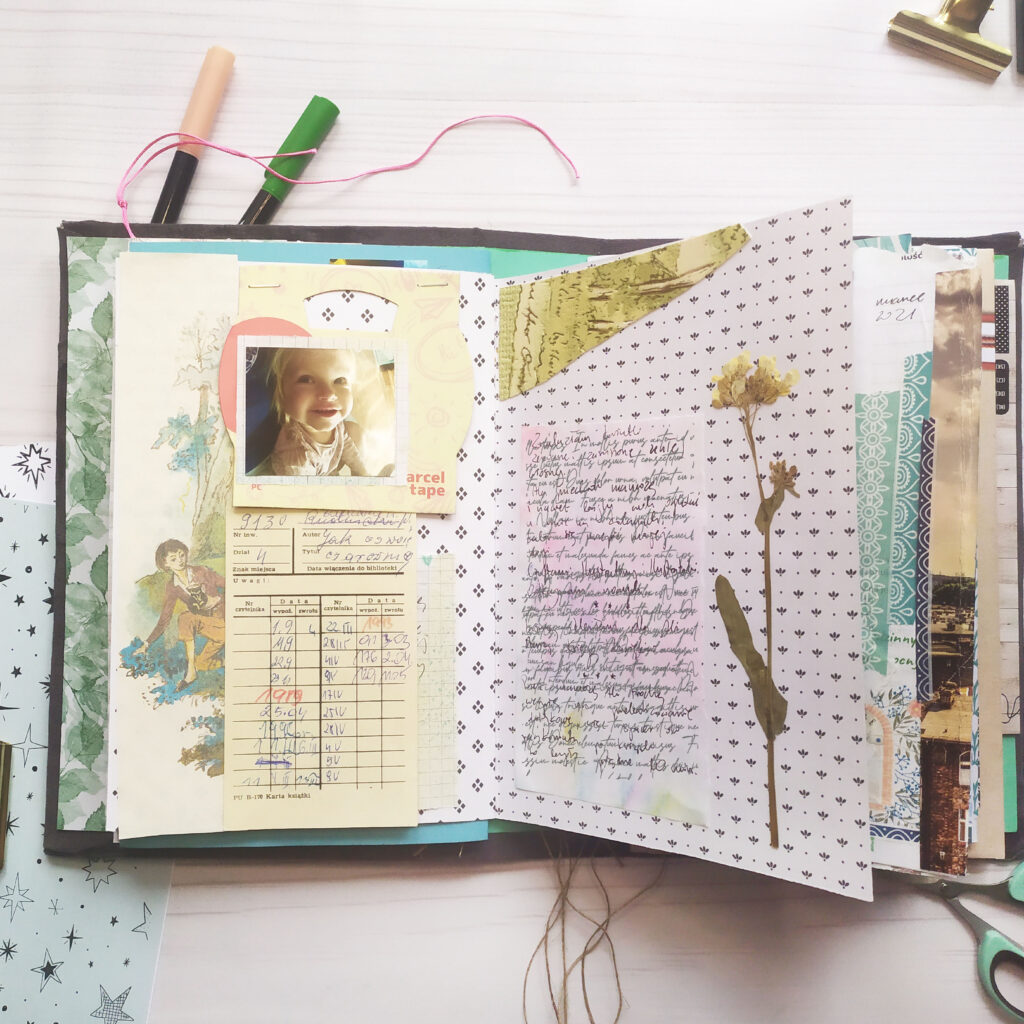
One of the most common uses for a junk journal is memory keeping. Its pages are often filled with:
✅ Photos
✅ “Junk” souvenirs like tickets, brochures, and handwritten notes
✅ Journaling (written reflections, thoughts, or stories)
Most junk journals tend to have a vintage aesthetic, but that’s not a requirement—you can make one in any style!
For a deeper dive into junk journals, check out my article: What Is a Junk Journal and Why Is It So Awesome?
Sketchbook: A Space for Sketching and Experimenting
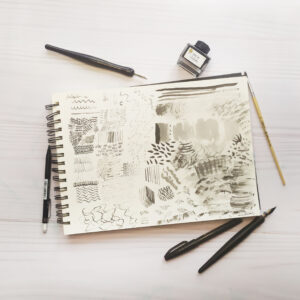
A sketchbook is simply a notebook for drawing and doodling, but it’s also commonly used to test different artistic tools and techniques.
Many people also use their sketchbooks to keep illustrated diaries, which leads us to the next type of journal…
Journals for Memory Keeping & Collecting Inspiration
Visual Journal or Visual Diary: Illustrated Memory-Keeping
Ever seen those stunning journal pages filled with watercolor sketches and handwritten text? That’s a visual journal, also known as a visual diary. It’s essentially an illustrated way of documenting life, often done in a sketchbook.
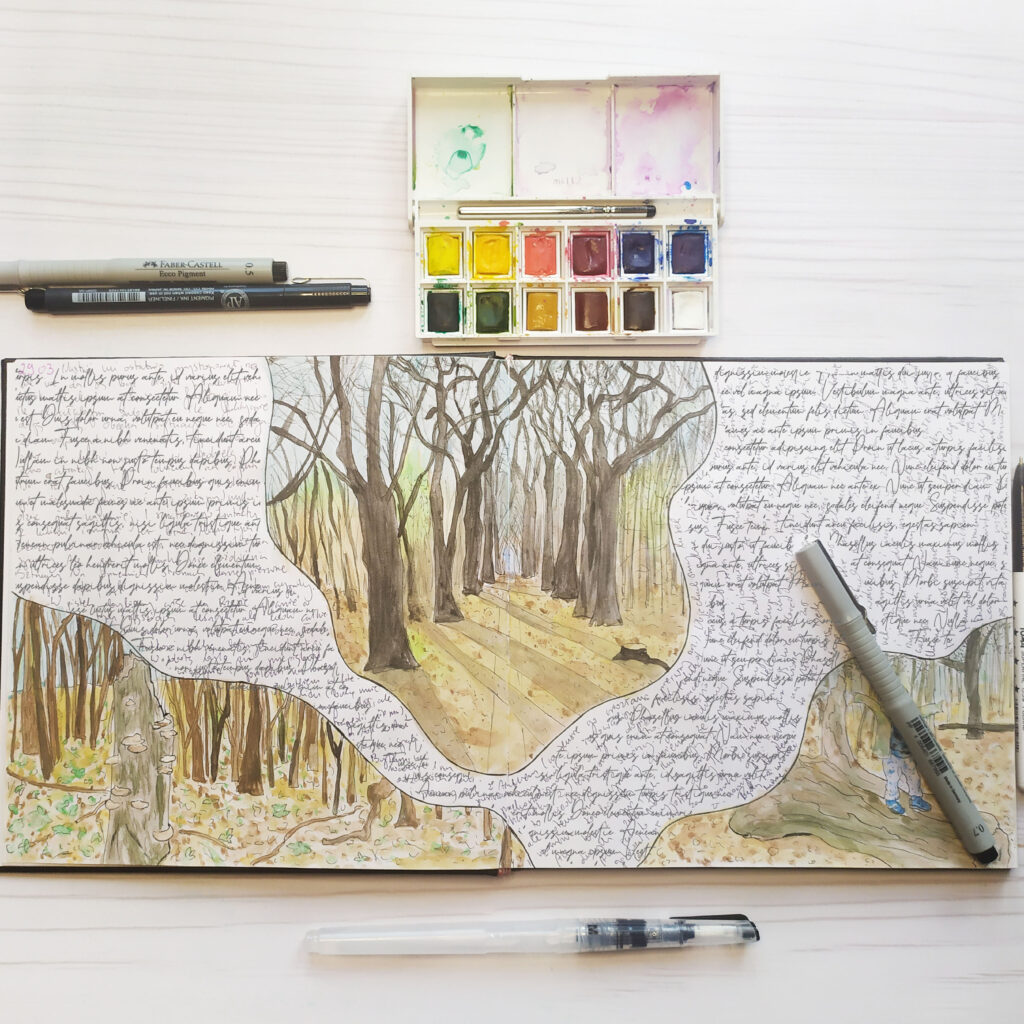
Though watercolors are a popular choice, you can use any medium. The key is capturing everyday moments and surroundings through drawings and words.
Scrapbook: A Thoughtfully Designed Memory Album
A scrapbook is a handmade album for documenting memories. Unlike a junk journal, where randomness is often embraced, scrapbooking is more structured and decorative.
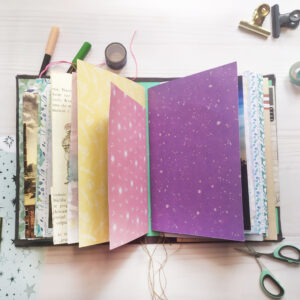
Scrapbookers typically use specialized supplies like:
🎨 Themed papers
📌 Stamps & stickers
✂️ Templates & decorative punches
Scrapbooking is an entire creative field of its own, offering endless possibilities for storytelling through visuals and design.
Smashbook: The Casual, Unstructured Scrapbook
Some people call the smashbook the “primitive ancestor” of scrapbooking.
Unlike a scrapbook, where layouts are carefully planned, a smashbook is a spontaneous, free-form notebook where you collect random things you want to keep—ticket stubs, doodles, handwritten notes—without worrying about organization.
There are even pre-made smashbooks available on the market, often spiral-bound with a mix of different paper styles. They often come with a pen that has glue on one end, making it easy to attach items and write notes on the go.
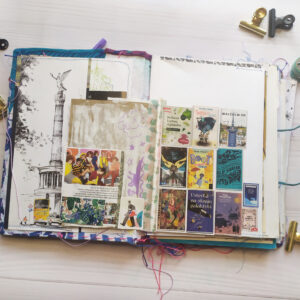
And if you skip the writing part and just glue things in, it turns into a…
Gluebook: A Notebook Where You Stick Everything
A gluebook is a notebook dedicated to pasting things in—from magazine clippings and memorabilia to full-blown collages.
It can be used for memory-keeping, collecting inspiration, or simply as a collage journal. In many ways, it overlaps with art journaling, don’t you think? 😉
Project Life: A Structured Approach to Memory Keeping
Project Life is one of the most well-known methods for preserving memories.
Created by Becky Higgins, this system revolves around using:
📁 Plastic pocket pages that fit into special binders
🖼️ Decorative journaling cards and printed photos
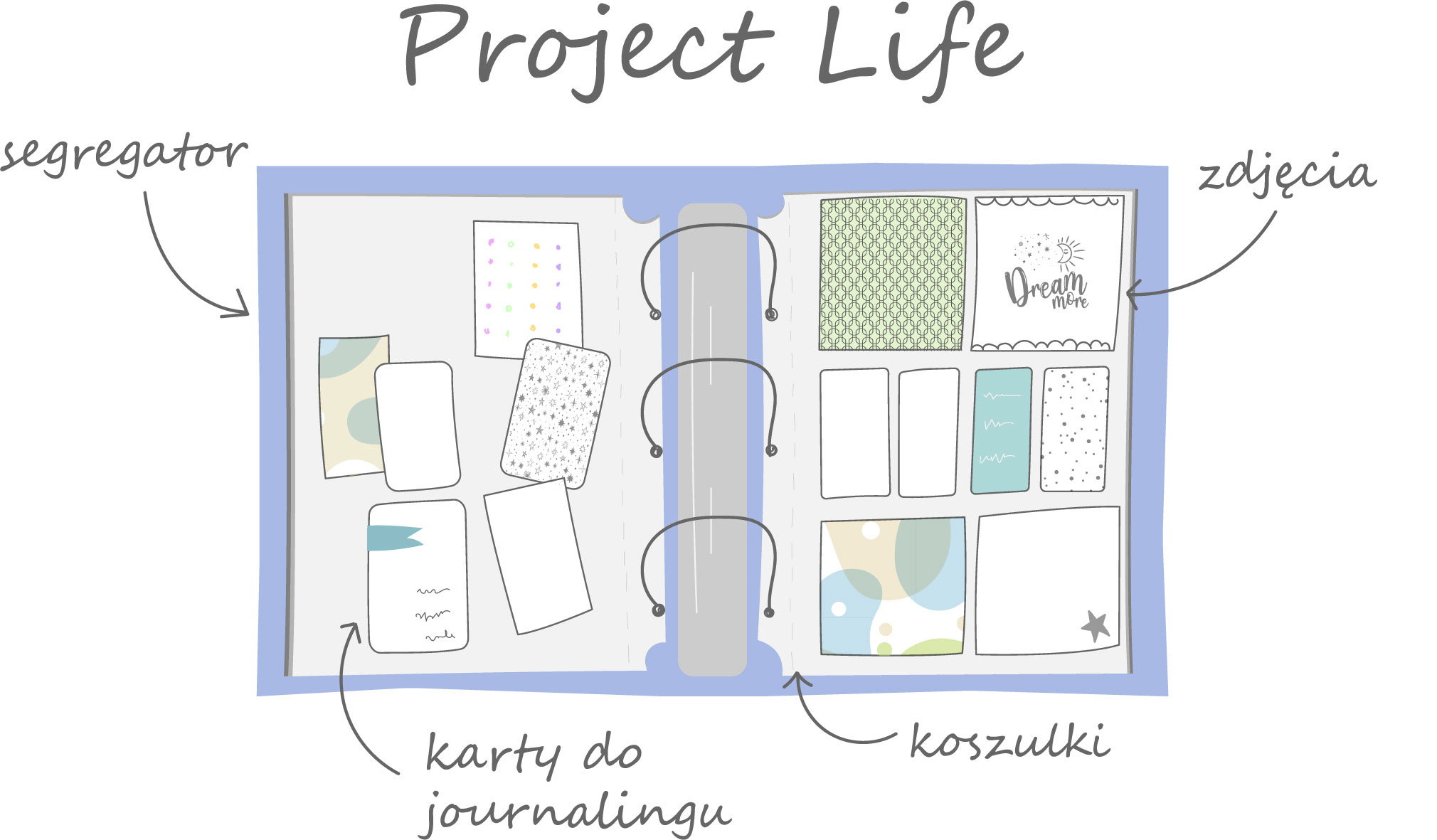
The cards serve both as decorations and journaling spaces, making it easy to compile a beautiful and structured memory album.
If you’re interested in Project Life, I highly recommend checking out Kasia from worqshop.pl, who has covered the topic extensively.
This method is incredibly time-efficient, but like most convenient solutions, it comes with a higher cost. If you’re looking for a more budget-friendly alternative, a junk journal can be a fantastic substitute!
Why Memory-Keeping Matters
At its heart, all these journals and albums serve one purpose: documenting everyday life.
And not just the big moments like weddings or vacations—journaling helps us find meaning in the small things. It encourages us to appreciate the ordinary moments that, over time, become precious memories.
Because years from now, today’s “ordinary” life won’t feel so ordinary anymore. Flipping through an old journal is like stepping into a time machine—a chance to revisit the moments that made us who we are.
Four More Types of Journals You Might Love
Altered Book: Transforming an Old Book into Art
An altered book is a book that has been repurposed into something entirely new—most commonly, an art journal. Through artistic intervention, the book is given a second life and a fresh purpose.
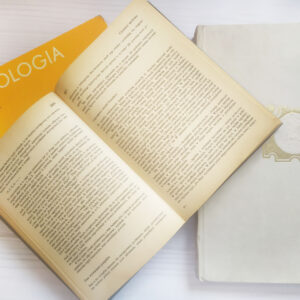
Now, I know some people treat books as sacred objects, and the thought of writing in them—let alone tearing out pages—might feel scandalous. But consider this: there are countless outdated, unwanted books destined for the recycling bin. Instead of letting them be discarded, why not turn them into something beautiful?
You can create an art journal out of an old book by:
🎨 Coating the pages with gesso and painting over them
📖 Using the printed text as a background for your artwork
🖌️ Collaging, stamping, or adding mixed media layers
There are endless ways to alter a book! One of my favorite approaches comes from Johanna Clough, a junk journaling expert. She transformed an old book into a stunning photo album—check out her video for inspiration!
Traveler’s Notebook: A Modular Journal System

A Traveler’s Notebook (TN) is typically a leather cover with elastic bands inside, designed to hold interchangeable inserts (notebooks).
It comes in standardized sizes, and the inserts are easily swapped in and out thanks to the elastic system. This makes it a flexible and customizable journaling solution.
Despite the name, it’s not just for travel journaling—you can use it for anything! TNs are compact and convenient, perfect for on-the-go journaling.
While traditional Traveler’s Notebooks come in leather, you can DIY a cover from flexible materials, like a placemat, or buy handmade fabric versions on Etsy. Some even come with extra pockets for pens and journaling goodies!
Travel Journal: Capturing Memories on the Go
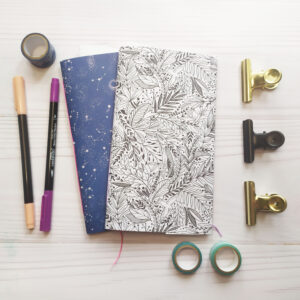
I already mentioned this under Traveler’s Notebooks, but let’s give Travel Journals their own moment.
A Travel Journal is simply a journal dedicated to recording travel memories. Many people use it to:
🗺️ Write about their experiences while traveling
📌 Attach souvenirs like tickets, brochures, and receipts
🎨 Sketch or collage travel-related elements
And the best part? You can use any notebook—no fancy supplies required!
Recipe Journal: The Notebook Every Food Lover Needs
At first glance, a recipe journal might seem out of place on this list. But as a self-proclaimed collector of notebooks, I couldn’t leave it out!
A recipe journal (przepiśnik) is a dedicated notebook for storing favorite recipes. While you can buy pre-made ones, many people prefer to make their own, adding personal touches and decorations.
Personally, I’ve been planning to create my own junk journal-style recipe book, blending vintage aesthetics with functional cooking notes.
Final Thoughts: Learn the Rules—Then Break Them!
This guide is meant to give you an overview of the many types of journals and notebooks that exist in the world of art journaling and memory-keeping.
I’ve noticed that these terms often overlap, and even leading creators define them differently. There’s no single “correct” way to use them, and honestly? That’s what makes journaling so fun!
I love gathering and organizing information, but I’m far from a traditionalist—especially when it comes to creativity. This post is more of a reference guide for the curious, rather than a rigid classification system.
Many of these journal types blend together and evolve, and that’s exactly the point. Creativity thrives in experimentation!
So, what about you? Do you have a favorite type of journal, or do you mix and match? Maybe you’ve even created your own hybrid version! I’d love to hear about it.
And if you’re curious about the journals I personally use, check out my post: All My Journals, Notebooks, and Planners.